“We Say What’s Acceptable, Which Makes the People Feel Acceptable.” – October 8
We got to programs around 5:55. As we get more members in the room, we start check in. We start around 6:30.
One member leads the ring for the first time.

We got to programs around 5:55. As we get more members in the room, we start check in. We start around 6:30.
One member leads the ring for the first time.
Today, we moved forward with Act 1, Scene 3, which is a very short scene.
After reading it through, the ensemble discusses what is happening in the scene. They seem to connect to Goneril’s anger toward Lear.
One participant said: “She sounds angry, she wants to be left alone.”
A participant: “You rocked that,” she tells the reader.
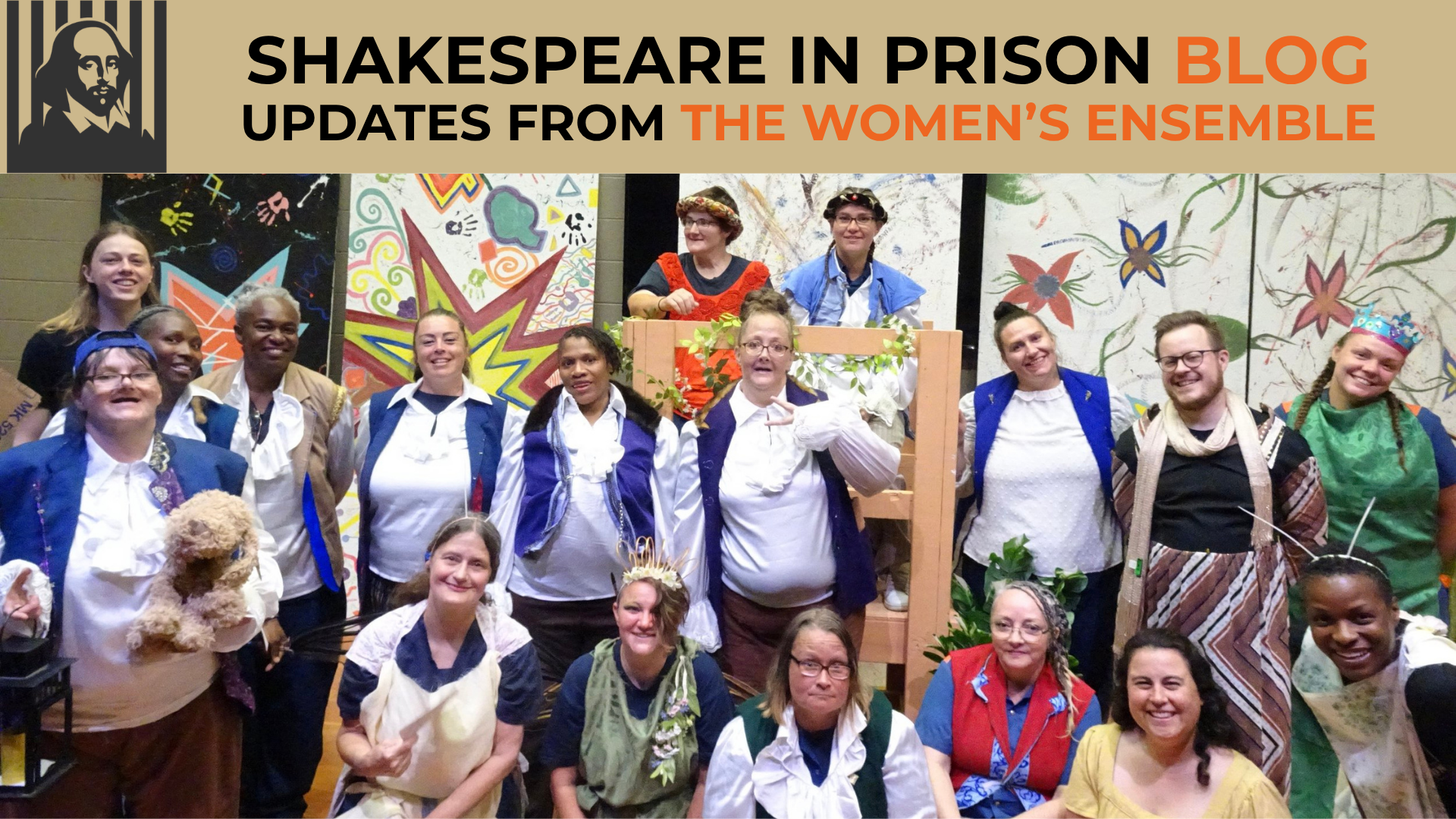
I ask the group what they want to do today. One participant wants to bring up a concern. She says people are getting bored because we are sitting and reading and talking. We talk about the importance of this part of the process, in which we read the play scene by scene as an ensemble and discuss its meaning, impact, and dreams we have for staging it. An ensemble member advocates in support of this process, while two other ensemble members don’t want to stop much for reflection.

A reading of collective work centering the voices and experiences of Black women and femmes.
We got to programs around 5:55. As we get more members in the room, we start check in. We start around 6:30.
One member leads the ring for the first time.
Today, we moved forward with Act 1, Scene 3, which is a very short scene.
After reading it through, the ensemble discusses what is happening in the scene. They seem to connect to Goneril’s anger toward Lear.
One participant said: “She sounds angry, she wants to be left alone.”
A participant: “You rocked that,” she tells the reader.
Today, we moved forward with Act 1, Scene 3, which is a very short scene.
After reading it through, the ensemble discusses what is happening in the scene. They seem to connect to Goneril’s anger toward Lear.
One participant said: “She sounds angry, she wants to be left alone.”
A participant: “You rocked that,” she tells the reader.
I ask the group what they want to do today. One participant wants to bring up a concern. She says people are getting bored because we are sitting and reading and talking. We talk about the importance of this part of the process, in which we read the play scene by scene as an ensemble and discuss its meaning, impact, and dreams we have for staging it. An ensemble member advocates in support of this process, while two other ensemble members don’t want to stop much for reflection.
We picked up where we left off in Act 1, Scene 1, but before moving forward, ensemble members who had been present at our previous session helped catch everyone up. One member recapped what had happened so far, while another jumped in with additional details. Already, understanding the play was becoming a shared responsibility.
This week, the books were finally in our hands.
After several weeks of monologues, introductions, experimentation, and conversations about what everyone hopes to bring to the ensemble this year, we officially began reading King Lear. Before opening to Act 1, Scene 1, we spent some time getting acquainted with the play itself. We went through the characters together, practiced pronouncing their names, and talked about how our first read-through works: anyone can read any role, everyone should try different characters, and no one needs to worry about getting every word right.
Before opening the script for King Lear, we wanted to spend one final session exploring monologues and, more importantly, learning about the people who will make up this year’s ensemble.
After check-in, the ring, and a name game, we began our three questions ritual
This week, we continued our exploration of Shakespeare’s monologues, but something began to shift. Ensemble members weren’t just reading the words anymore. They were standing up, moving, experimenting, making choices, and beginning to discover what happens when Shakespeare moves from the page into the body.
This session began with a reunion. One ensemble member was the first to arrive, and I was especially excited to see her after she had taken a short break from the program. As we caught up, I told our new facilitators, Lulu and Olivia, about her talent for writing lyrics. Almost immediately, that turned into an idea: what if King Lear began with a rap that summarized the story?
It was only one idea, but it was a preview of where the ensemble would take us that night.
This week, we welcomed a new group of members into Shakespeare in Prison.
The room was incredibly full when we arrived, and there was an immediate sense of excitement. Some of our new members were encountering SIP for the first time, while others already had connections to the program. One new member even recognized Kyle from The Taming of the Shrew in 2015 and shared that she had participated in theatre outside of SIP. When we asked who had seen an SIP performance before, most of the new members had attended our recent SIP & Beyond performance.
We began where every new ensemble begins: with our information packet, our values, and a conversation about what exactly it means to be an ensemble.